
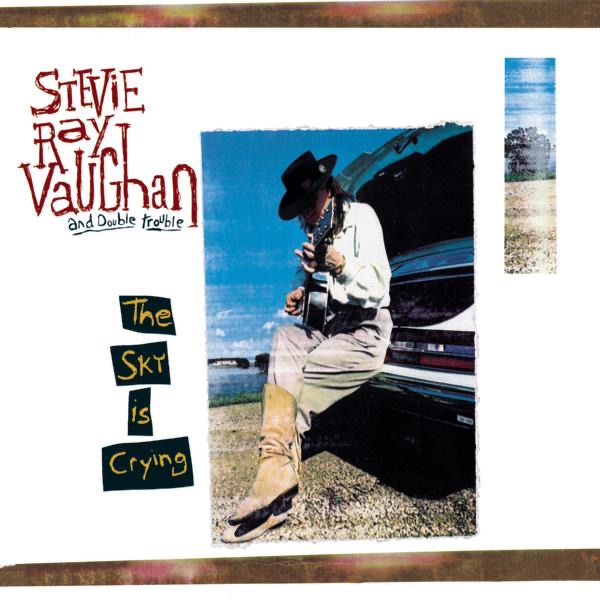
Stevie Ray Vaughan & Double Trouble
Little Wing guitar tone settings.
The Sky Is Crying · 1991 · Rock
Explore Little Wing by Stevie Ray Vaughan & Double Trouble: an example rig, amp settings and playing tips. Adapt the reference to your own supported gear with Amper.
 Artwork unavailable
Instrumental lead
Glassy, touch-sensitive lead and chord texture.
In your hands
Keep the quiet embellishments clear and let accents push harder.
Evidence and sources
Amper practice recreation for the named guitar part or arrangement. Gain, EQ, pickup and effect choices are authored starting points, not documented artist settings or a verified recording rig. No track-specific recording evidence is claimed for this profile. Listening validation on physical gear is pending.
An authored example rig, not your matched settings or a documented artist preset.
guitar · Fender
Player II Stratocaster
Pickup selectorWhy this setting?
Suggested pickup position for this part; a tonal choice, not a claim about the original session.
VolumeWhy this setting?
Suggested volume position for this part. Compare at equal listening volume and adjust by ear.
Normalized 0-10 knob travel; not printed panel numbers
Tone 1 (neck/middle)Why this setting?
Suggested tone 1 (neck/middle) position for this part. Compare at equal listening volume and adjust by ear.
Normalized 0-10 knob travel; not printed panel numbers
Tone 2 (bridge)Why this setting?
Suggested tone 2 (bridge) position for this part. Compare at equal listening volume and adjust by ear.
Normalized 0-10 knob travel; not printed panel numbers
pedal · BOSS
RV-6 Reverb
E.LevelWhy this setting?
Editorial starting point, not a measured reproduction. Compare at equal listening volume and adjust by ear.
Normalized knob travel 0-10. Reverb output amount.
ToneWhy this setting?
Editorial starting point, not a measured reproduction. Compare at equal listening volume and adjust by ear.
Normalized knob travel 0-10. Reverb tone; algorithm-dependent.
TimeWhy this setting?
Editorial starting point, not a measured reproduction. Compare at equal listening volume and adjust by ear.
Normalized knob travel 0-10. Reverb duration; algorithm-dependent.
ModeWhy this setting?
Editorial starting point, not a measured reproduction. Compare at equal listening volume and adjust by ear.
Effect footswitchWhy this setting?
Engage this selected pedal for this section; match the bypassed loudness.
Use INPUT A and OUTPUT A for normal mono dry-plus-reverb sound. Do not use Input B alone, which produces wet-only output.
amp · Fender
Champion 40
CH SelectWhy this setting?
Editorial starting point, not a measured reproduction. Compare at equal listening volume and adjust by ear.
GainWhy this setting?
Editorial starting point, not a measured reproduction. Compare at equal listening volume and adjust by ear.
Normalized knob travel 0-10. Channel 2 distortion.
Volume 2Why this setting?
Start with output at minimum, then raise toward this low starting position to suit your room; knob position is not loudness.
Normalized knob travel 0-10. Channel 2 output.
VoiceWhy this setting?
Editorial starting point, not a measured reproduction. Compare at equal listening volume and adjust by ear.
TrebleWhy this setting?
Editorial starting point, not a measured reproduction. Compare at equal listening volume and adjust by ear.
Normalized knob travel 0-10. Treble EQ.
BassWhy this setting?
Editorial starting point, not a measured reproduction. Compare at equal listening volume and adjust by ear.
Normalized knob travel 0-10. Bass EQ.
FX LevelWhy this setting?
Editorial starting point, not a measured reproduction. Compare at equal listening volume and adjust by ear.
Normalized knob travel 0-10. Selected effect amount.
FX SelectWhy this setting?
Editorial starting point, not a measured reproduction. Compare at equal listening volume and adjust by ear.
Choose the indicated voice and effect labels on the panel. FX Level controls the combined effect mix; this plan chooses one available effect or documented combination.
Know the limits
- Editorial recreation; these settings have not been listening-tested on your setup.
- Champion 40 lacks separate middle controls; the target EQ cannot be matched independently.
- Pickup output, speakers, room, and studio layering remain differences; the numeric mapping is not an acoustic calibration.
- Hall is an editorial ambience choice; exact recorded reverb type and decay are not stored.
- Champion effect timing and mix are approximate starting points; its single FX selector cannot provide every requested effect simultaneously.
- The displayed chain uses the amp input. Delay/reverb before an overdriven preamp will sound different from a post-drive studio effect; start with a low mix.
These are Amper recreation settings, not the artist’s exact knob positions. The example rig translates this named part’s stored gain, EQ, pickup and effect targets into verified hardware controls. Amper practice recreation for the named guitar part or arrangement. Gain, EQ, pickup and effect choices are authored starting points, not documented artist settings or a verified recording rig. No track-specific recording evidence is claimed for this profile. Listening validation on physical gear is pending.